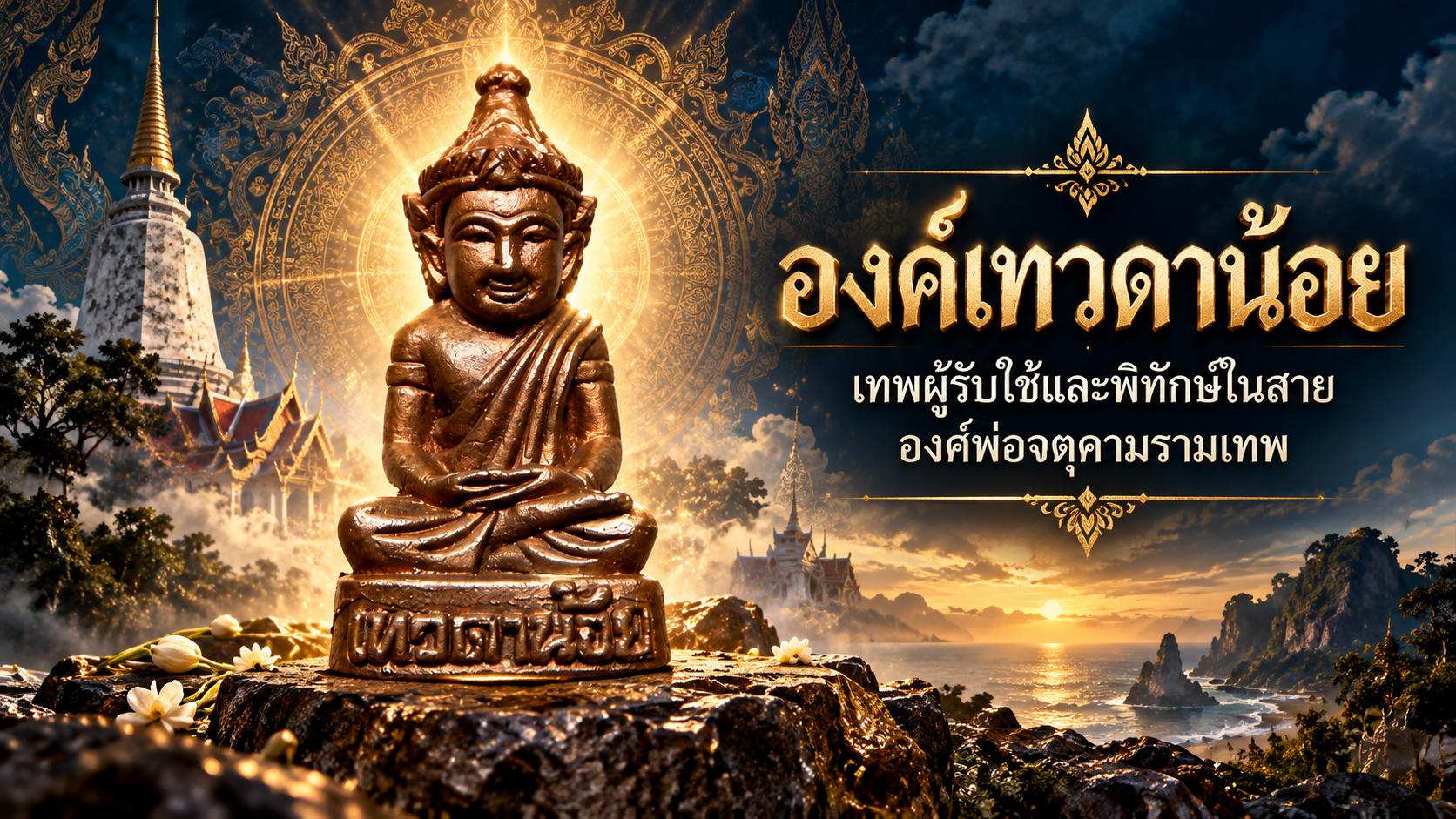
องค์เทวดาน้อย
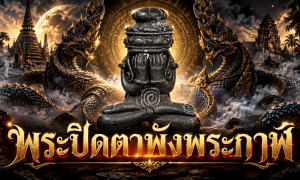
เทพผู้รับใช้และพิทักษ์ในสายองศ์พ่อจตุคามรามเทพ
ณ ดินแดนนครศรีธรรมราช เมืองเก่าแก่ที่เต็มไปด้วยชั้นของประวัติศาสตร์ ความเชื่อ และตำนาน มีเรื่องราวมากมายที่ไม่ได้ดำรงอยู่เพียงในเอกสาร หากยังคงมีชีวิตอยู่ในความทรงจำของผู้คน ผ่านศาลหลักเมือง ผ่านพิธีกรรม ผ่านวัตถุมงคล และผ่านศรัทธาที่ถ่ายทอดจากคนรุ่นหนึ่งสู่อีกรุ่นหนึ่ง ท่ามกลางเรื่องราวเหล่านั้น มีองค์หนึ่งที่รูปลักษณ์ดูเรียบง่าย อ่อนโยน และแทบจะตรงข้ามกับภาพของเทพผู้ทรงอำนาจ องค์นั้นคือ “เทวดาน้อย”
รูปลักษณ์ของท่านมักปรากฏเป็นฤาษีเด็ก ใบหน้ายิ้มแย้ม แก้มอิ่ม ร่างกายสมบูรณ์ ดูเป็นมิตรและเข้าถึงได้ง่าย แต่ภายใต้รูปลักษณ์เล็ก ๆ นี้ ตามคติความเชื่อในสายองค์พ่อจตุคามรามเทพ กลับมีภารกิจสำคัญอย่างยิ่ง ภารกิจของ “ผู้ส่งสาร” ผู้รับฟังความเดือดร้อนของมนุษย์ แล้วนำความนั้นขึ้นไปกราบทูลองค์พ่อจตุคามรามเทพ
จุดเริ่มต้นของเรื่องราว
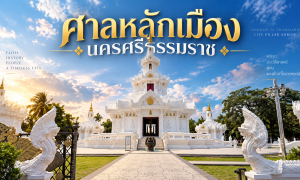
เรื่องเล่าที่เกี่ยวข้องกับองค์เทวดาน้อยเชื่อมโยงกับช่วงเวลาสำคัญของการก่อสร้างศาลหลักเมืองนครศรีธรรมราช ในสายศรัทธามีการถ่ายทอดกันว่า องค์พ่อจตุคามรามเทพเคยมีดำรัสผ่านร่างทรงที่รู้จักกันในชื่อ “โกผ่อง” ว่า เมื่อการสร้างศาลหลักเมืองนครศรีธรรมราชเสร็จสิ้นลงแล้ว พระองค์จะมิได้ลงมาดำเนินกิจในลักษณะเช่นเดิมอีก สำหรับบรรดาศิษย์และผู้ศรัทธา ถ้อยคำดังกล่าวไม่ใช่เรื่องเล็ก เพราะตลอดช่วงเวลาที่ผ่านมา ผู้คนจำนวนไม่น้อยต่างยึดโยงความหวัง ความทุกข์ และคำอธิษฐานไว้กับองค์พ่อจตุคามรามเทพ คำถามหนึ่งจึงเกิดขึ้นอย่างหลีกเลี่ยงไม่ได้ หากวันหนึ่งองค์พ่อไม่ได้เสด็จลงมาเช่นเดิม แล้วเมื่อลูกหลานเกิดความเดือดร้อน จะร้องขอความช่วยเหลือผ่านใคร ตามคำบอกเล่าที่สืบทอดกันมา คำตอบขององค์พ่อนั้นสั้นและตรงไปตรงมา “มึงก็ให้เทวดาน้อยขึ้นไปบอกกูแล้วกัน” ถ้อยคำเพียงไม่กี่คำ กลับกลายเป็นรากฐานของคติสำคัญในสายจตุคามรามเทพ นั่นคือการมี “ผู้ส่งสาร” ระหว่างมนุษย์กับองค์พ่อ
เมื่อศรัทธาต้องการผู้รับฟัง
แนวคิดขององค์เทวดาน้อยจึงมิได้เกิดขึ้นในฐานะเทพผู้มีอำนาจเหนือมนุษย์ หากเกิดขึ้นในฐานะผู้ใกล้ชิด ผู้รับฟัง และผู้ทำหน้าที่เชื่อมต่อ หากองค์พ่อจตุคามรามเทพเปรียบเสมือนศูนย์กลางแห่งอำนาจและศรัทธา องค์เทวดาน้อยก็เปรียบได้กับ “ราชเลขาแห่งโลกศรัทธา” ผู้รับเรื่อง, ผู้ส่งความ, ผู้คอยปกป้อง และผู้ทำหน้าที่เชื่อมโยงความทุกข์ ความหวัง และคำขอของผู้ศรัทธาไปยังองค์พ่อ นี่อาจเป็นเหตุผลสำคัญที่ทำให้ภาพของเทวดาน้อยไม่ได้ถูกสร้างให้ดูน่าเกรงขาม แต่กลับมีใบหน้ายิ้มแย้ม อ่อนโยน และเป็นมิตร ราวกับต้องการสื่อว่า ศรัทธาไม่จำเป็นต้องเริ่มต้นจากความหวาดกลัวเสมอไป บางครั้ง ศรัทธาอาจเริ่มต้นจากความรู้สึกว่า “ยังมีใครบางองค์รับฟังเราอยู่”
พ.ศ. 2544 — การถือกำเนิดขององค์เทวดาน้อยรุ่นแรก
ภายหลังการสร้างศาลหลักเมืองนครศรีธรรมราชแล้วเสร็จในช่วงประมาณ พ.ศ. 2543 แนวคิดขององค์เทวดาน้อยจึงถูกถ่ายทอดออกมาเป็นรูปธรรมในรูปแบบวัตถุมงคล ปี พ.ศ. 2544 มีการจัดสร้าง “องค์เทวดาน้อย” รุ่นแรกขึ้น ตามคติของการเป็นผู้รับใช้ใกล้ชิด ผู้พิทักษ์ และผู้ส่งสารขององค์พ่อจตุคามรามเทพ มีการกล่าวถึงการประกอบพิธีพุทธาภิเษกบน “เขาคา” อำเภอสิชล จังหวัดนครศรีธรรมราช เขาคาเป็นสถานที่ซึ่งมีความสำคัญทั้งในเชิงประวัติศาสตร์ โบราณคดี และความเชื่อของคาบสมุทรภาคใต้ จึงยิ่งทำให้การประกอบพิธีของวัตถุมงคลรุ่นแรกมีมิติทางสัญลักษณ์ที่น่าสนใจ จากจุดนั้น ภาพขององค์เทวดาน้อยจึงเริ่มปรากฏในวงการวัตถุมงคลสายจตุคามรามเทพ และได้รับการจัดสร้างต่อเนื่องมาในหลายวาระ
รูปลักษณ์ที่แตกต่าง
สิ่งที่ทำให้องค์เทวดาน้อยจดจำได้ง่าย คือรูปลักษณ์ของ “ฤาษีเด็ก” ใบหน้ายิ้มแย้ม แก้มอิ่ม ร่างกายอวบสมบูรณ์ อิริยาบถสงบ และให้ความรู้สึกอ่อนโยนอย่างชัดเจน เมื่อพิจารณาในทางสัญลักษณ์ รูปลักษณ์เช่นนี้อาจสะท้อนถึงความอุดมสมบูรณ์ ความเบิกบาน และความเป็นสิริมงคล ในวัตถุมงคลบางแบบ ด้านหลังยังปรากฏสัญลักษณ์ “ราหู” ซึ่งเป็นองค์ประกอบที่พบได้บ่อยในศิลปกรรมและคติความเชื่อสายจตุคามรามเทพ ราหูในบริบทนี้จึงไม่ได้ทำหน้าที่เพียงเป็นลวดลายประกอบ แต่ช่วยเชื่อมโยงเทวดาน้อยเข้าสู่โครงสร้างความเชื่อเดียวกับองค์พ่ออย่างชัดเจน ทั้งเรื่องการคุ้มครอง mการเปลี่ยนผ่านเคราะห์ พลังอำนาจ และความสัมพันธ์กับจักรวาลตามคติความเชื่อที่ถ่ายทอดกันมา
จากผู้ส่งสาร สู่เทพพิทักษ์
เมื่อเวลาผ่านไป บทบาทขององค์เทวดาน้อยในสายศรัทธาไม่ได้จำกัดอยู่เพียงเรื่องของการ “ส่งสาร” เท่านั้น ผู้ศรัทธาบางกลุ่มยังเชื่อว่าองค์เทวดาน้อยสามารถช่วยอารักษ์ขา คุ้มครอง บันดาลความคล่องตัว และสนับสนุนเรื่องโชคลาภ ด้วยเหตุนี้ จึงมีผู้เปรียบองค์เทวดาน้อยว่าเป็นทั้ง ราชเลขา ผู้รับใช้ใกล้ชิด ผู้พิทักษ์ และผู้ประสานระหว่างโลกมนุษย์กับองค์พ่อจตุคามรามเทพ อย่างไรก็ตาม ความเชื่อในเรื่องอิทธิฤทธิ์หรือการบันดาลผลต่าง ๆ เป็นส่วนหนึ่งของศรัทธาและคติที่ถ่ายทอดในหมู่ผู้บูชา ไม่ใช่ข้อพิสูจน์ในเชิงวิทยาศาสตร์ แต่ในเชิงวัฒนธรรม สิ่งที่น่าสนใจยิ่งกว่านั้นคือ เหตุใดผู้คนจึงต้องการ “ผู้ส่งสาร” ระหว่างตนเองกับสิ่งศักดิ์สิทธิ์ คำตอบอาจอยู่ในธรรมชาติของมนุษย์เอง ในวันที่ชีวิตไม่มีทางออก สิ่งที่มนุษย์ต้องการอาจไม่ใช่ปาฏิหาริย์ทันที แต่อาจเป็นเพียงความรู้สึกว่า คำอธิษฐานของตนไม่ได้หายไปกับความว่างเปล่า มีใครบางองค์รับฟัง มีใครบางองค์นำเรื่องไปบอกต่อ และยังมีบางสิ่งคอยคุ้มครองอยู่
เขาคา — ฉากหลังของศรัทธา
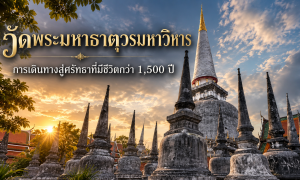
เมื่อกล่าวถึงองค์เทวดาน้อยรุ่นแรก ชื่อของ “เขาคา” จึงเป็นอีกสถานที่หนึ่งที่ไม่อาจมองข้าม พื้นที่เขาคา อำเภอสิชล จังหวัดนครศรีธรรมราช มีความสำคัญทางโบราณคดีและประวัติศาสตร์ของคาบสมุทรไทยมาอย่างยาวนาน ร่องรอยของชุมชนและศาสนสถานโบราณในพื้นที่สะท้อนให้เห็นว่า ดินแดนภาคใต้แห่งนี้เคยเป็นส่วนหนึ่งของเครือข่ายวัฒนธรรมและการเดินเรือที่สำคัญในอดีต เมื่อวัตถุมงคลเทวดาน้อยรุ่นแรกได้รับการประกอบพิธีในพื้นที่ที่มีชั้นของประวัติศาสตร์เช่นนี้ เรื่องราวขององค์เทวดาน้อยจึงไม่ได้มีเพียงมิติของวัตถุมงคล แต่ยังผูกโยงกับภูมิทัศน์แห่งความเชื่อของนครศรีธรรมราชอย่างลึกซึ้ง
วัตถุมงคลที่เล่าเรื่องได้
เสน่ห์ของวัตถุมงคลสายจตุคามรามเทพส่วนหนึ่งอยู่ตรงที่ วัตถุแต่ละชิ้นไม่ได้มีเพียงรูปลักษณ์หรือมูลค่าการสะสม แต่หลายชิ้นมี “เรื่องเล่า” ซ่อนอยู่ องค์เทวดาน้อยก็เช่นกัน เมื่อมองจากภายนอก อาจเป็นเพียงรูปฤาษีเด็กยิ้มแย้มองค์เล็ก ๆ แต่เมื่อย้อนกลับไปยังเรื่องราวเบื้องหลัง เราจะพบทั้งศาลหลักเมืองนครศรีธรรมราช คำบอกเล่าของร่างทรง ความกังวลของเหล่าศิษย์ ถ้อยคำขององค์พ่อ เขาคา พิธีกรรม และความพยายามของมนุษย์ที่จะสร้างช่องทางเชื่อมโยงตนเองกับสิ่งศักดิ์สิทธิ์ องค์เล็ก ๆ หนึ่งองค์ จึงอาจบรรจุเรื่องราวของคนหลายรุ่นไว้ภายใน
“ให้เทวดาน้อยขึ้นไปบอกกู”
ท้ายที่สุด ประโยคที่อาจอธิบายตัวตนขององค์เทวดาน้อยได้ดีที่สุด ก็คือถ้อยคำซึ่งปรากฏอยู่ในเรื่องเล่าต้นกำเนิดของท่าน “มึงก็ให้เทวดาน้อยขึ้นไปบอกกูแล้วกัน” ไม่ว่าผู้อ่านจะมองเรื่องนี้จากมิติของศรัทธา ประวัติศาสตร์ท้องถิ่น วัฒนธรรม หรือการศึกษาวัตถุมงคล ประโยคดังกล่าวได้กลายเป็นแก่นของตัวตน “เทวดาน้อย” ไปแล้ว เทพองค์เล็กซึ่งไม่ได้ถือกำเนิดขึ้นเพื่อแสดงอำนาจ แต่ถือกำเนิดขึ้นเพื่อ “รับฟัง” ไม่ได้อยู่เบื้องบนอย่างห่างไกล แต่ถูกวางไว้ใกล้กับมนุษย์ และไม่ได้มีหน้าที่เพียงคุ้มครอง หากยังเป็นผู้พาความหวังของผู้คนเดินทางต่อไป จากมนุษย์ สู่เทวดาน้อย และจากเทวดาน้อย ขึ้นไปสู่องค์พ่อจตุคามรามเทพ นี่คือเรื่องราวของ “องค์เทวดาน้อย” เทพผู้ส่งสารและผู้พิทักษ์ตัวเล็ก ๆ ผู้มีตำแหน่งอันไม่เล็กเลยในจักรวาลแห่งศรัทธาขององค์พ่อจตุคามรามเทพ
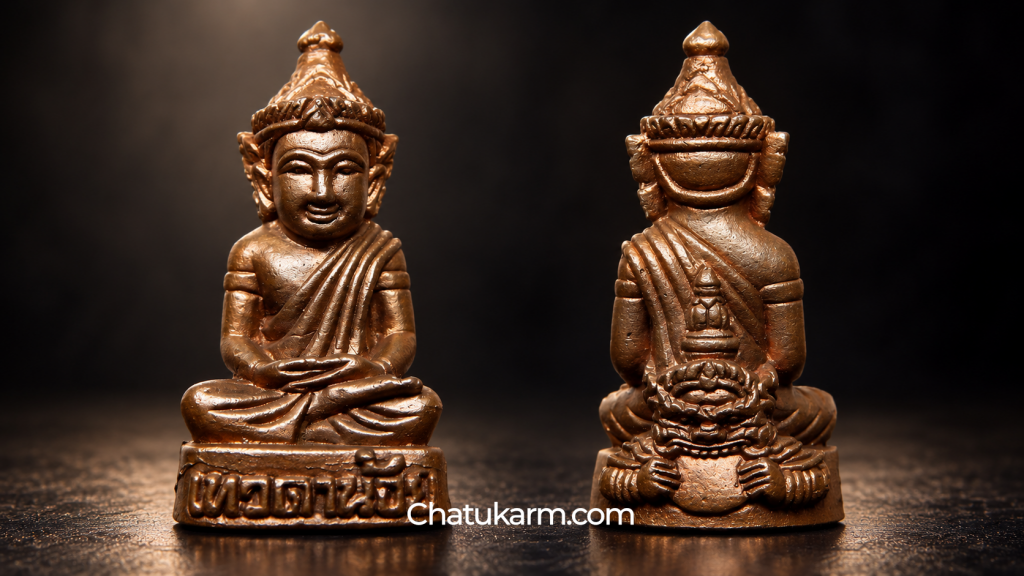
“The Little Deity” — Thewada Noi (เทวดาน้อย).
In Nakhon Si Thammarat, an ancient city layered with history, spirituality, and legend, many stories have survived not only through written records, but also through sacred sites, rituals, amulets, and beliefs passed quietly from one generation to the next. Among these traditions is the story of a small divine figure whose appearance seems almost the opposite of the powerful and commanding deities often associated with sacred art. He is known as “The Little Deity” — Thewada Noi (เทวดาน้อย). He is commonly depicted as a childlike hermit with a cheerful face, full cheeks, and a healthy, well-nourished body. His appearance is warm and approachable. Yet within the tradition surrounding Chatukarm Ramathep, this seemingly humble figure is believed to carry an extraordinary responsibility. He is the messenger. The one who listens to the troubles of human beings and carries their prayers upward to Chatukarm Ramathep.
The Beginning of the Story
The origin of Thewada Noi is closely associated with an important chapter in the history of the Nakhon Si Thammarat City Pillar Shrine. According to accounts preserved among followers of the Jatukam Ramathep tradition, Jatukam Ramathep once spoke through a medium known as “Ko Phong”, saying that once the construction of the Nakhon Si Thammarat City Pillar Shrine had been completed, he would no longer descend to carry out matters in the same manner as before. For his followers, those words carried profound meaning. Many had placed their hopes, suffering, prayers, and faith in Jatukam Ramathep. An immediate question therefore arose: If one day the Father no longer descended as before, who would carry the troubles of his descendants and devotees to him? According to the story handed down within the tradition, the answer was brief, direct, and unforgettable: “Then let the Little Deity come up and tell me.” Those few words would eventually become the foundation of one of the most distinctive beliefs associated with the Jatukam Ramathep tradition. There would be a messenger between the human world and the divine.
When Faith Needed a Messenger
The idea of Thewada Noi was therefore not centered upon an all-powerful deity ruling above mankind. Instead, his role was one of closeness. He was the listener. The intermediary. The messenger. If Chatukarm Ramathep represents the great spiritual center of this tradition, Thewada Noi may be understood symbolically as a kind of divine secretary — one who receives messages from devotees and carries them onward. His role, according to belief, is to receive petitions, convey concerns, provide protection, and maintain the connection between human hopes and Chatukarm Ramathep. Perhaps this also explains why Thewada Noi was not designed to appear fierce or intimidating. His smiling face, round cheeks, and childlike form communicate something entirely different: accessibility, kindness, and reassurance. Faith, after all, does not always begin with fear or awe. Sometimes it begins with the simple feeling that someone is listening.
2001 — The Birth of the First Thewada Noi Amulet
After the Nakhon Si Thammarat City Pillar Shrine was completed around B.E. 2543 (2000 CE), the concept of the Little Deity was eventually given physical form through the creation of sacred objects. In B.E. 2544 (2001 CE), the first generation of Thewada Noi amulets was created. Within the tradition, these amulets represented the Little Deity in his role as a close attendant, guardian, and messenger of Jatukam Ramathep. Accounts associated with this first generation state that a consecration ceremony was held at Khao Kha, Sichon District, Nakhon Si Thammarat Province. Khao Kha itself is a significant location.
The area carries important archaeological and historical associations with the ancient communities of the southern Thai peninsula. For this reason, its connection with the early Thewada Noi tradition adds another symbolic dimension to the story. From that point onward, images and amulets of Thewada Noi began to appear more frequently within the wider Jatukam Ramathep tradition, with later editions produced on different occasions.
The Image of a Benevolent Guardian
One of the most recognizable characteristics of Thewada Noi is his unusual artistic form. He is generally represented as a childlike rishi or hermit. His face is smiling. His cheeks are full. His body appears healthy and abundant. His posture is calm. Taken symbolically, these characteristics may evoke ideas of abundance, happiness, prosperity, and benevolence. On certain amulet designs, the reverse side also features the image of Rahu, one of the most recognizable symbols associated with many Jatukam Ramathep sacred objects. Within this context, Rahu is more than a decorative motif. Its presence symbolically connects Thewada Noi to the wider visual and spiritual universe of Jatukam Ramathep — a world that incorporates ideas of protection, destiny, transformation, celestial forces, and the overcoming of misfortune.
From Messenger to Guardian
Over time, the role attributed to Thewada Noi expanded beyond that of a messenger alone. Among some devotees, he is also regarded as a protective deity who watches over those who worship him. Traditional beliefs further associate him with assistance in times of hardship, improved fortune, smoother circumstances, and opportunities for prosperity. For this reason, Thewada Noi has sometimes been described as several things at once: a divine secretary, a close attendant, a messenger, and a guardian.
Yet these beliefs should be understood within their religious and cultural context. Claims concerning supernatural protection, fortune, or divine intervention belong to the sphere of personal faith and tradition rather than scientifically demonstrable effects. From a cultural perspective, however, an even more intriguing question remains:
Why does faith need a messenger?
Perhaps the answer lies in human nature itself. When people face uncertainty, they do not always expect an immediate miracle. Sometimes, what matters most is the belief that their prayer has not disappeared into silence. That someone has heard it. That someone will carry the message onward. And that somewhere beyond what can be seen, something continues to watch over them.
Khao Kha — A Landscape of History and Faith
The story of the first Thewada Noi amulet is also closely connected with Khao Kha in Sichon District. Khao Kha is an important archaeological landscape in Nakhon Si Thammarat Province, containing evidence of ancient settlements and religious activity. The archaeological remains of the area demonstrate the historical importance of this part of the Thai peninsula, which once participated in wider maritime, cultural, and religious networks. This historical landscape gives an additional dimension to the story of Thewada Noi.
When the first-generation sacred objects were reportedly consecrated in such a place, the event linked a modern spiritual tradition with a landscape carrying much older layers of history. Thewada Noi therefore occupies an interesting space between amulet culture, local memory, sacred geography, and continuing faith.
When an Amulet Becomes a Story
One of the enduring qualities of Jatukam Ramathep sacred objects is that many are more than objects of collection. They carry stories. The wada Noi is a particularly clear example. At first glance, he may appear simply as a small, smiling child-hermit. But behind that image lies a much larger narrative: the Nakhon Si Thammarat City Pillar Shrine, a spiritual medium, the concerns of devoted followers, the words attributed to Chatukarm Ramathep, the sacred landscape of Khao Kha, consecration ceremonies, and the timeless human desire to remain connected to the divine. A small sacred image can therefore contain the memories of many people and many generations.
“Let the Little Deity Come Up and Tell Me”
Ultimately, the identity of Thewada Noi may be captured most clearly by the sentence at the heart of his origin story: “Then let the Little Deity come up and tell me.” Whether one approaches this story through faith, local history, cultural anthropology, or the study of sacred objects, those words have become central to the meaning of Thewada Noi. He is a small deity who, according to tradition, was not created to display overwhelming power. He was created to listen. He does not stand far above humanity. Instead, he remains symbolically close to those who seek help. And his role is not simply to protect. It is to carry hope onward. From the devotee, to Thewada Noi, and from Thewada Noi, to Chatukarm Ramathep. This is the story of Thewada Noi — the Little Deity. A small divine messenger and guardian whose place within the spiritual world of Jatukam Ramathep is anything but small.

Recommended for you