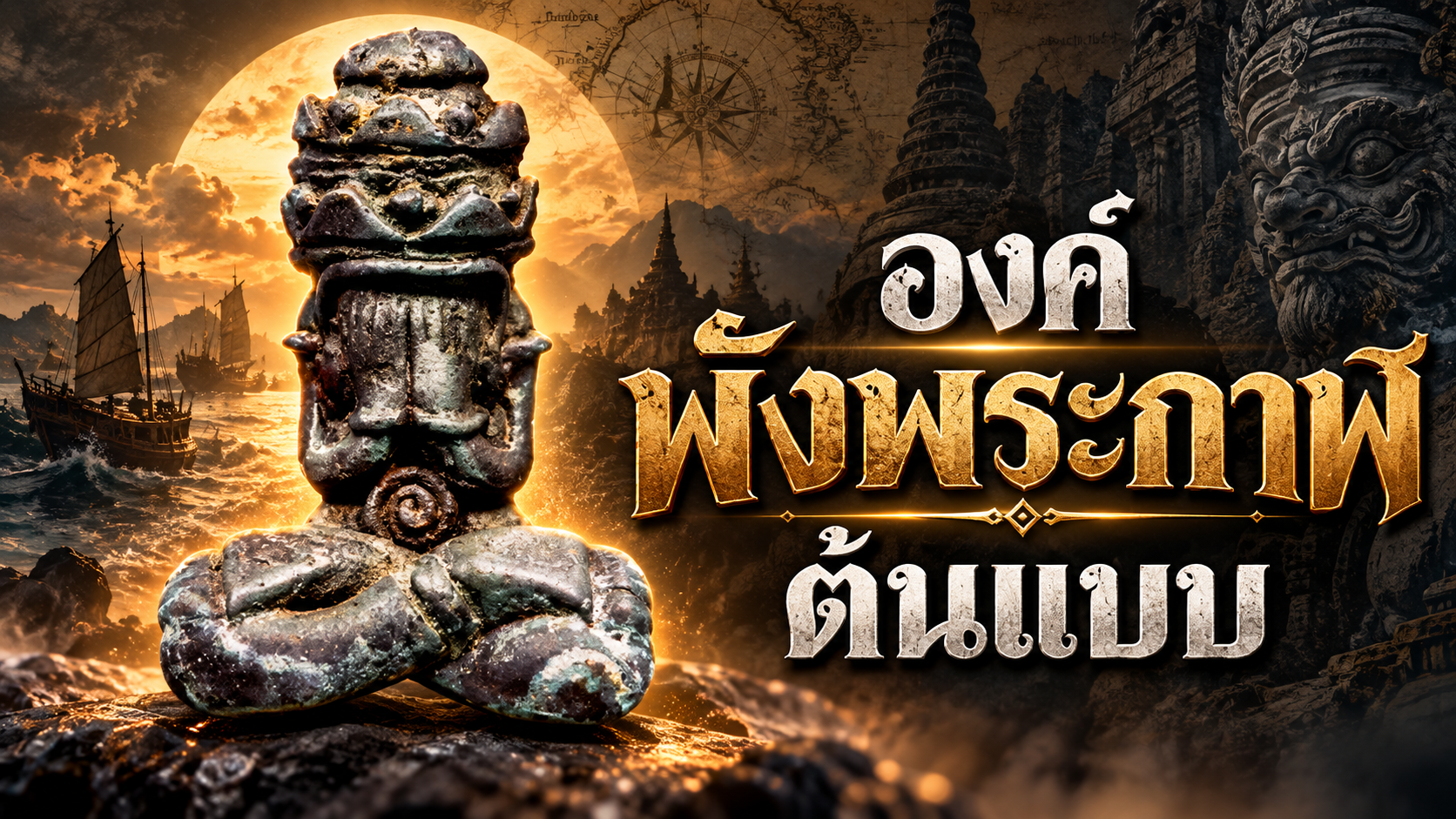
พังพระกาฬต้นแบบ
จากรูปหล่อลอยองค์ของ “กำจร สถิรกุล” สู่กำเนิดเหรียญพังพระกาฬรุ่นแรก
ในประวัติศาสตร์ของวัตถุมงคลสายจตุคามรามเทพ มีวัตถุชิ้นหนึ่งที่ถูกกล่าวถึงอยู่เสมอในฐานะ “ต้นแบบ” สำคัญของการสร้างพระพังพระกาฬยุคใหม่ นั่นคือรูปหล่อลอยองค์พังพระกาฬ ซึ่งตามเรื่องเล่าในสายการจัดสร้างศาลหลักเมืองนครศรีธรรมราช ระบุว่า นายกำจร สถิรกุล อดีตผู้ว่าการธนาคารแห่งประเทศไทย ได้นำมามอบให้แก่ พล.ต.ท.สรรเพชญ ธรรมาธิกุล เพื่อใช้เป็นแบบในการออกแบบเหรียญพังพระกาฬรุ่นแรก และต่อเนื่องไปถึงการสร้างในรุ่นถัดมา
เรื่องราวนี้ไม่ได้เป็นเพียงประวัติของวัตถุมงคล หากยังสะท้อนให้เห็นโลกอีกใบหนึ่งของนครศรีธรรมราช—โลกที่ประวัติศาสตร์ ความทรงจำ ศาสนา และความเชื่อพื้นถิ่น ถูกถักทอเข้าไว้ด้วยกันอย่างแยกไม่ออก หลังจากการก่อสร้างศาลหลักเมืองนครศรีธรรมราชดำเนินไปจนแล้วเสร็จ และมีการจัดสร้างวัตถุมงคลประเภทต่างๆ เพื่อมอบเป็นที่ระลึกแก่ผู้ร่วมสนับสนุนโครงการ ช่วงเวลาราวสองปีถัดมา หรือประมาณ พ.ศ. 2532 จึงเริ่มปรากฏแนวคิดในการจัดสร้าง “พระพังพระกาฬ” ขึ้นอีกครั้ง
ตามคำบอกเล่าที่สืบทอดกันในกลุ่มผู้เกี่ยวข้องกับการจัดสร้าง ระบุว่า ต้นกำเนิดของแนวคิดดังกล่าวเกิดขึ้นระหว่างการประกอบพิธีเขียนผ้ายันต์ เมื่อมีการสื่อสารทางความเชื่อกับองค์จตุคามรามเทพ และมีข้อความให้จัดสร้างพระพังพระกาฬ ซึ่งถูกอธิบายว่าเป็นสิ่งศักดิ์สิทธิ์สำคัญที่สัมพันธ์กับคติของศรีวิชัย และไม่ได้มีการสร้างขึ้นมาเป็นเวลายาวนาน
สำหรับ พล.ต.ท.สรรเพชญ ชื่อของ “พังพระกาฬ” ไม่ได้เป็นสิ่งแปลกใหม่เสียทีเดียว เขาเล่าว่า เคยเห็นรูปแบบของพังพระกาฬมาตั้งแต่ยังเยาว์วัย และจดจำได้ว่าถูกกล่าวถึงในฐานะสิ่งศักดิ์สิทธิ์ที่มีอานุภาพสูง ตามคติความเชื่อสามารถคุ้มครองผู้เดินทาง ป้องกันภยันตราย รวมถึงเกี่ยวพันกับการเดินเรือและพลังของท้องทะเล แต่ปัญหาคือ เมื่อเวลาผ่านไปหลายสิบปี ภาพของพังพระกาฬในความทรงจำกลับเลือนรางจนไม่อาจนำมาใช้เป็นต้นแบบได้ เขาจึงตั้งคำถามว่า หากต้องสร้างพังพระกาฬขึ้นมาใหม่ จะหาแบบที่ถูกต้องได้จากที่ใด เรื่องเล่าระบุว่า คำตอบที่ได้รับกลับมานั้นเรียบง่ายอย่างน่าประหลาด เขาไม่จำเป็นต้องออกตามหา เพราะในเวลาที่เหมาะสม จะมีผู้คนนำต้นแบบมาให้เอง ก่อนหน้านั้น สิ่งที่เขาต้องทำมีเพียงการออกแบบองค์ประกอบด้านหลังของเหรียญเตรียมไว้ล่วงหน้า พร้อมกำหนดให้เหรียญมีลักษณะกลมและมีขนาดใกล้เคียงเหรียญบาท เพื่อที่หากได้ต้นแบบมาแล้ว จะสามารถเริ่มกระบวนการจัดสร้างได้โดยไม่ต้องเสียเวลา
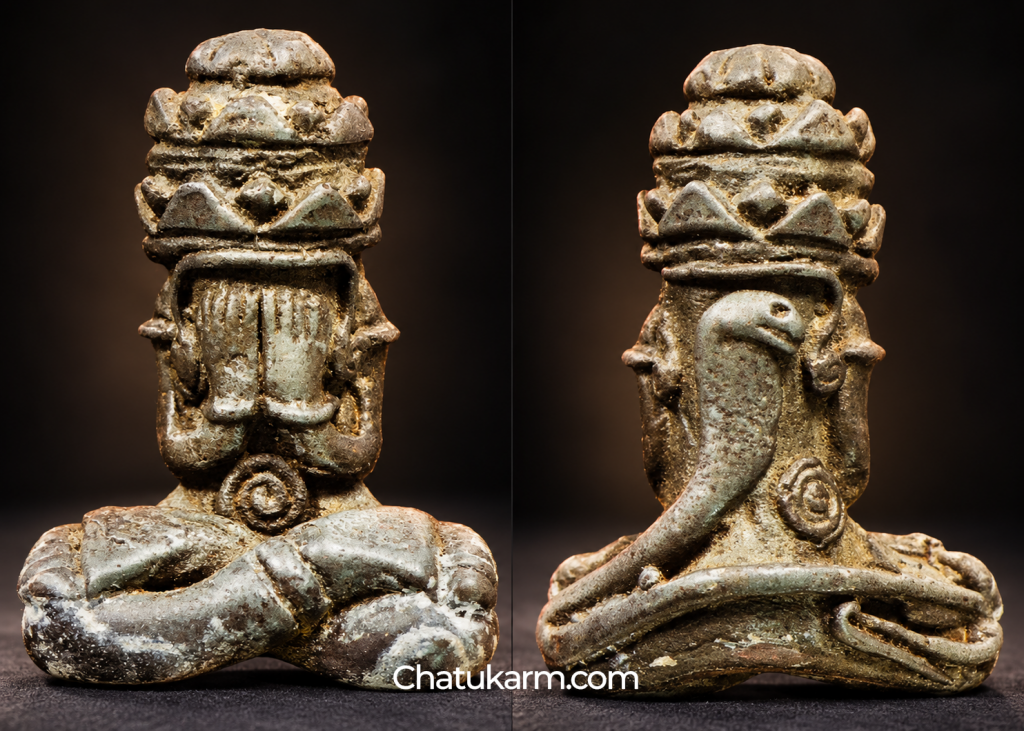
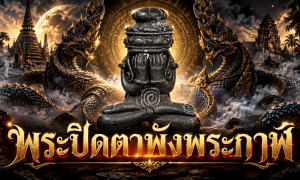
องค์ต้นแบบ คุณกำจร สถิรกุล อดีตผู้ว่าการธนาคารแห่งประเทศไทย มอบให้ พล.ต.ท. สรรเพชญ ธรรมาธิกุล ต่อมานำไปจำลองเป็น เหรียญปิดตาพังพระกาฬ ในแบบนูนต่ำ และเป็นต้นแบบการสร้างปิดตาพังพระกาฬ แบบลอยองค์
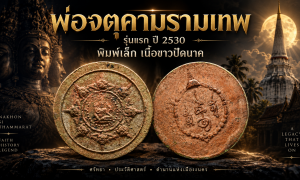
สำหรับคนทั่วไป เรื่องเช่นนี้อาจฟังคล้ายตำนาน แม้แต่ พล.ต.ท.สรรเพชญ เอง ตามเรื่องเล่าก็ยังไม่เชื่อในทันที เขามองว่าแทบเป็นไปไม่ได้ที่บุคคลใดจะนำวัตถุเก่าแก่ หายาก และมีคุณค่ามามอบให้โดยไม่มีสิ่งแลกเปลี่ยน แต่หลังจากนั้นไม่นาน เหตุการณ์ซึ่งกลายมาเป็นส่วนสำคัญของประวัติการสร้างพังพระกาฬก็เกิดขึ้น บุคคลที่เดินทางมาพร้อมกับวัตถุต้นแบบนั้นคือ “กำจร สถิรกุล” อดีตผู้ว่าการธนาคารแห่งประเทศไทย สิ่งที่เขานำมาด้วยคือรูปหล่อลอยองค์พังพระกาฬ สำหรับผู้เกี่ยวข้องในเวลานั้น วัตถุชิ้นนี้ไม่ได้มีสถานะเพียงของสะสมเก่า หากถูกมองว่าเป็นหลักอ้างอิงสำคัญที่ทำให้ภาพของพังพระกาฬซึ่งเคยดำรงอยู่เพียงในความทรงจำ กลับมามีรูปลักษณ์ที่จับต้องได้อีกครั้ง รูปหล่อลอยองค์ดังกล่าวจึงถูกนำมาใช้เป็นต้นแบบในการศึกษาสัดส่วน รูปทรง และรายละเอียดทางศิลปกรรม ก่อนถูกถ่ายทอดลงสู่รูปแบบเหรียญ
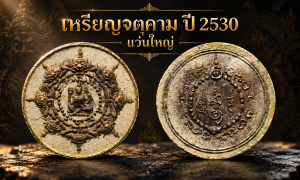
นั่นกลายเป็นจุดเริ่มต้นของ “เหรียญพังพระกาฬ” รุ่นแรก ซึ่งภายหลังได้รับความสนใจอย่างกว้างขวางในหมู่นักสะสมและผู้ศรัทธา และนำไปสู่การสร้างในรุ่นต่อๆ มา แต่ความสำคัญของเรื่องราวนี้อาจไม่ได้อยู่ที่คำถามว่าเหตุการณ์เหนือธรรมชาติที่ถูกเล่าขานนั้นเกิดขึ้นอย่างไร สิ่งที่น่าสนใจกว่าคือ วิธีที่ความทรงจำส่วนบุคคล วัตถุโบราณ และศรัทธาของผู้คน ได้มาบรรจบกันในช่วงเวลาหนึ่งของประวัติศาสตร์ จนก่อให้เกิดสัญลักษณ์ใหม่ซึ่งสืบทอดต่อมาอีกหลายทศวรรษ
ในมิติทางวัฒนธรรม “พังพระกาฬ” จึงไม่ใช่เพียงวัตถุมงคล แต่เป็นผลผลิตของความทรงจำเกี่ยวกับศรีวิชัย ความเชื่อเรื่องผู้พิทักษ์แห่งท้องทะเล และโลกทัศน์ของผู้คนในภาคใต้ที่มองทะเลทั้งในฐานะแหล่งชีวิต เส้นทางการค้า และพื้นที่ซึ่งเต็มไปด้วยพลังที่มนุษย์ไม่อาจควบคุมได้ทั้งหมด ยิ่งเมื่อเรื่องราวของต้นแบบถูกเชื่อมโยงกับบุคคลซึ่งมีบทบาทในประวัติศาสตร์สมัยใหม่ของประเทศ ความขัดแย้งระหว่าง “โลกสมัยใหม่” กับ “โลกแห่งความเชื่อ” ก็ยิ่งน่าสนใจมากขึ้น ด้านหนึ่งคืออดีตผู้ว่าการธนาคารแห่งประเทศไทย—สถาบันที่เป็นสัญลักษณ์ของระบบการเงิน เหตุผล และการบริหารประเทศสมัยใหม่ อีกด้านหนึ่งคือรูปหล่อลอยองค์ของเทพผู้พิทักษ์ตามคติศรีวิชัย เมื่อวัตถุทั้งสองโลกมาบรรจบกัน สิ่งที่เกิดขึ้นจึงไม่ได้เป็นเพียงการออกแบบเหรียญหนึ่งรุ่น หากเป็นเรื่องเล่าที่อยู่กึ่งกลางระหว่างประวัติศาสตร์กับตำนาน และบางที นี่อาจเป็นเหตุผลที่เรื่องของ “พังพระกาฬต้นแบบ” ยังคงถูกกล่าวถึงมาจนถึงทุกวันนี้
เพราะในโลกของวัตถุศักดิ์สิทธิ์ คุณค่าของสิ่งหนึ่งไม่ได้เกิดจากโลหะ รูปทรง หรืออายุเพียงอย่างเดียว แต่มาจากเรื่องราวของผู้คนที่ได้พบมัน ผู้ที่เชื่อในมัน และความหมายที่คนรุ่นต่อมาเลือกจะจดจำ
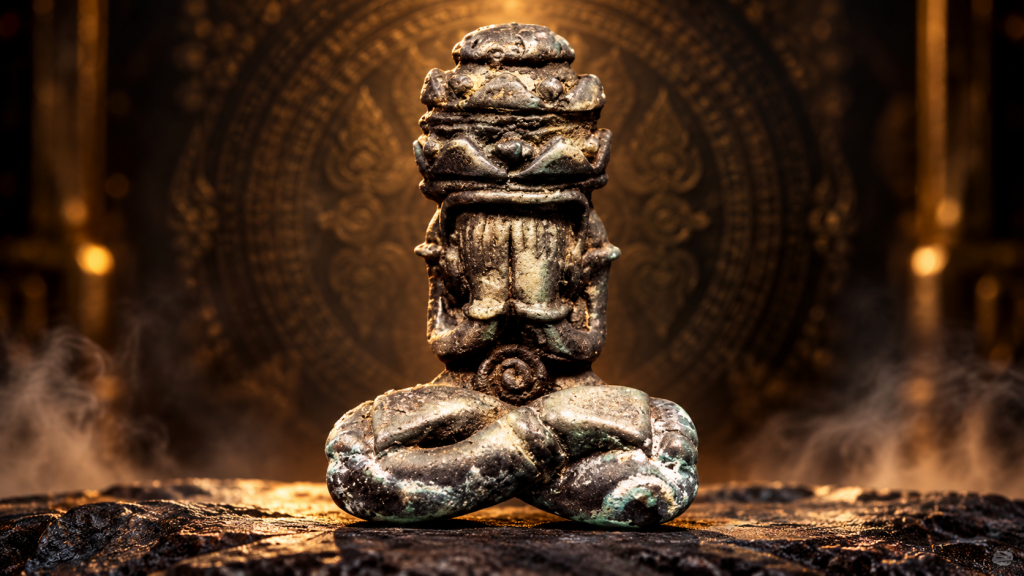
รูปหล่อลอยองค์พังพระกาฬต้นแบบที่ “กำจร สถิรกุล” อดีตผู้ว่าการธนาคารแห่งประเทศไทยนำมามอบให้ พล.ต.ท.สรรเพชญเพื่อนำไปใช้ออกแบบเหรียญพังพระกาฬ
The Prototype Phang Phra Kan
From a Sacred Effigy Brought by Kamjorn Sathirakul to the Birth of the First Phang Phra Kan Medal
In the history of sacred objects associated with the Chatukarm Ramathep tradition, one artifact is repeatedly mentioned as a crucial prototype in the modern revival of Phang Phra Kan: a small three-dimensional effigy said to have been brought by Kamjorn Sathirakul, former Governor of the Bank of Thailand, and presented to Police Lieutenant General Sanphet Thammathikul for use in designing the first—and later the second—Phang Phra Kan medals.
The story is more than an account of how an amulet was created. It belongs to a larger cultural landscape in Nakhon Si Thammarat, where history, memory, religion, local mythology, and sacred belief often overlap in ways that are difficult to separate completely. After the construction of the Nakhon Si Thammarat City Pillar Shrine had been completed, various commemorative sacred objects were produced for those who had contributed to the project. Approximately two years later, around B.E. 2532 (1989), the idea of creating Phang Phra Kan emerged.
According to oral accounts preserved among those connected with the shrine project, the inspiration arose during a ritual involving the inscription of sacred yantra cloth. Within the belief tradition surrounding Chatukarm Ramathep, a message was said to have been conveyed to Police Lieutenant General Sanphet: a new image of Phang Phra Kan should be created.
Phang Phra Kan was described as an important guardian figure linked to the ancient Srivijayan tradition—a sacred protector whose image, according to the story, had not been reproduced for many centuries. For Sanphet, the name was not entirely unfamiliar. He later recalled having seen an image of Phang Phra Kan during his childhood. In his memory, it was associated with a powerful protective figure believed capable of guarding people against danger, calming violent seas, protecting travelers, and bringing good fortune. But decades had passed. The image that remained in his memory was too vague to serve as an accurate design reference. This presented a simple but serious problem: if a new Phang Phra Kan image was to be created, where could an authentic model be found? According to the traditional account, the answer he received was unexpected. He did not need to search for it. Someone would eventually bring the prototype to him. Until then, he was told to prepare the reverse design of the medal in advance. The new object should be circular and approximately the size of a one-baht coin, so that once the prototype arrived, production could begin without delay. To an outside observer, such a story may sound like legend. Even Sanphet himself, according to the account, initially reacted with disbelief. He found it difficult to imagine that anyone would simply hand over a rare, valuable, and possibly ancient sacred object without expecting anything in return. Yet some time later, the event that would become central to the history of the Phang Phra Kan medal was said to have taken place. The man who arrived with the prototype was Kamjorn Sathirakul, a former Governor of the Bank of Thailand. What he brought was a free-standing effigy of Phang Phra Kan. To those involved in the project, the object was more than an old collectible. It provided a tangible reference for a sacred image that until then had existed largely through memory, oral tradition, and belief.
The effigy was subsequently studied for its proportions, form, and artistic details. Its visual characteristics were then adapted into the design of the medal. This process marked the beginning of what later became known as the first Phang Phra Kan medal, an object that would attract widespread interest among collectors and devotees and eventually lead to later editions. Yet the deeper importance of the story may not lie in deciding whether every supernatural element should be understood literally. What makes the account compelling is the way personal memory, ritual belief, historical figures, and a physical artifact converged at a particular moment. Together, they produced a new cultural object—one that would continue to carry meaning for decades. From a cultural perspective, Phang Phra Kan is therefore more than an amulet. It reflects memories of Srivijaya, beliefs in guardians of the sea, and the worldview of southern communities whose lives were historically shaped by maritime travel, trade, uncertainty, and the forces of nature. The story becomes even more striking because the prototype is associated with a figure from one of Thailand’s most modern institutions. On one side stands a former Governor of the Bank of Thailand—a symbol of monetary policy, administration, economic rationality, and the modern state. On the other stands the image of a sacred guardian rooted in ancient belief and regional tradition. When these two worlds intersect, the result is more than the design of a medal. It becomes a story suspended between history and legend. And perhaps that is precisely why the prototype of Phang Phra Kan continues to be remembered. Because in the world of sacred objects, value is rarely determined by metal, age, or craftsmanship alone.
It also comes from the people who encountered the object,
the people who believed in it,
and the meaning that later generations chose to preserve.

Recommended for you