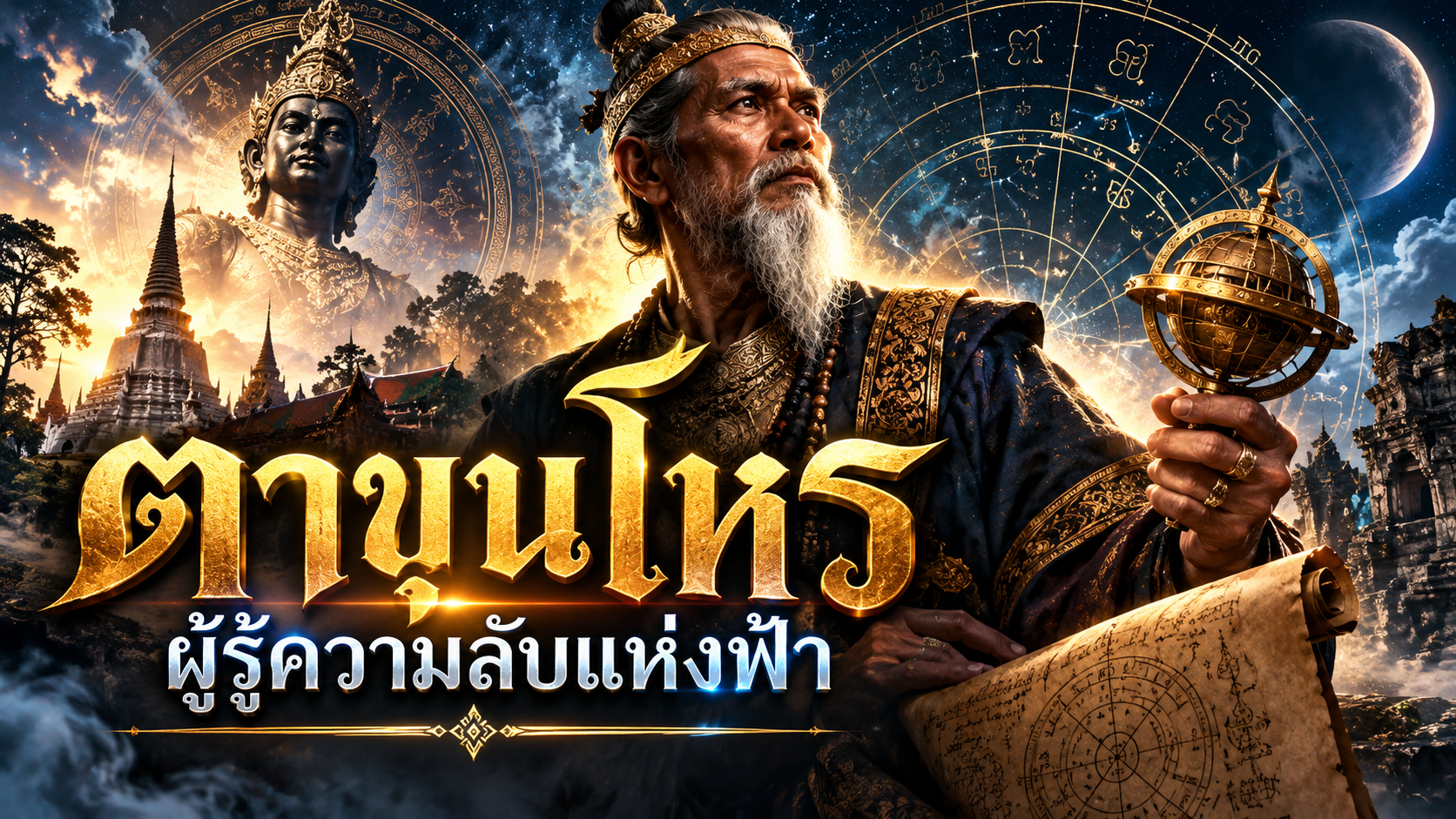
ตาขุนโหร
บรมครูแห่งดวงดาว ผู้ยืนอยู่ในเงาแห่งตำนานจตุคามรามเทพ
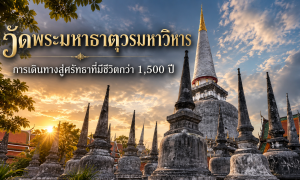
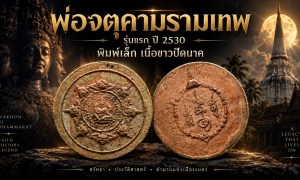
เมื่อเอ่ยถึง “จตุคามรามเทพ” ผู้คนจำนวนมากมักนึกถึงองค์เทวราชผู้เกี่ยวข้องกับเมืองนครศรีธรรมราช ศาลหลักเมือง พระบรมธาตุ และวัตถุมงคลอันโด่งดังที่เคยสร้างกระแสศรัทธาไปทั่วประเทศ แต่ภายใต้เรื่องราวอันซับซ้อนของจตุคามรามเทพ ยังมีนามหนึ่งที่ปรากฏอยู่ในสายความเชื่อมาอย่างยาวนาน หากกลับไม่เป็นที่รู้จักในวงกว้างเท่าที่ควร นามนั้นคือ “ตาขุนโหร”
บุคคลหรือเทพผู้ซึ่งในตำนานได้รับการกล่าวขานว่าเป็นทั้งนักรบ โหราจารย์ ราชครู ผู้กำหนดฤกษ์ยาม และที่ปรึกษาขององค์จตุคามรามเทพ หากจตุคามรามเทพเป็นเสมือน “องค์ราชัน” แห่งตำนานนครศรีธรรมราช ตาขุนโหรก็อาจเปรียบได้กับ “ผู้มองเห็นดวงดาวเบื้องหลังบัลลังก์” ผู้มิได้ยืนอยู่เบื้องหน้า แต่เป็นผู้คำนวณทิศทางของบ้านเมืองจากฟ้า ดิน เวลา และฤกษ์ยาม เรื่องของตาขุนโหรจึงน่าสนใจ เพราะอยู่บนเส้นบาง ๆ ระหว่าง ตำนาน ความเชื่อ ประวัติศาสตร์ท้องถิ่น และโลกทัศน์เรื่องโหราศาสตร์ของคนโบราณ
นาม “ตาขุนโหร” ผู้รู้ความลับแห่งฟ้า
เพียงชื่อ “ขุนโหร” ก็ชวนให้นึกถึงบุคคลผู้ทำหน้าที่เกี่ยวข้องกับโหราศาสตร์ในราชสำนัก ในโลกโบราณ “โหร” มิได้มีหน้าที่เพียงทำนายชะตาชีวิตของบุคคลอย่างที่เราเข้าใจกันในปัจจุบัน แต่ศาสตร์แห่งดวงดาวมีความสัมพันธ์กับกิจการบ้านเมืองอย่างลึกซึ้ง ไม่ว่าจะเป็นการกำหนดฤกษ์ตั้งเมือง การวางศิลาฤกษ์ การเดินทัพ การประกอบพระราชพิธี หรือแม้แต่การพิจารณาว่าช่วงเวลาใดเหมาะสมต่อการเริ่มภารกิจสำคัญ ภายในสายความเชื่อเกี่ยวกับจตุคามรามเทพ มีคำอธิบายว่า ตาขุนโหรเป็นหนึ่งในผู้ใกล้ชิดองค์จตุคามรามเทพ และมีความเชี่ยวชาญด้านการทำนาย การกำหนดฤกษ์ยาม พิธีกรรม และรูปแบบการก่อสร้าง
วิทยานิพนธ์ของจุฬาลงกรณ์มหาวิทยาลัยที่ศึกษาการตั้งชื่อรุ่นจตุคามรามเทพ ได้บันทึกคำอธิบายในสายความเชื่อว่า ตาขุนโหรได้รับการกล่าวถึงว่าเป็น “หนึ่งในสี่ทหารกล้า” ของจตุคามรามเทพ และยังเชื่อมโยงกับ “พญาโหราเทพ” ผู้เชี่ยวชาญด้านการทำนาย ฤกษ์ยาม พิธีกรรม และการก่อสร้าง โดยมีสถานะเสมือนอาจารย์หรือราชครูผู้ให้คำปรึกษาแก่องค์จตุคามรามเทพ
อย่างไรก็ตาม ข้อมูลส่วนนี้ควรเข้าใจในฐานะ ประเพณีคำบอกเล่าและความเชื่อในสายจตุคามรามเทพ มิใช่หลักฐานที่เพียงพอจะยืนยันว่าตาขุนโหรเป็นบุคคลในประวัติศาสตร์ที่สามารถระบุยุคสมัยและชีวประวัติได้อย่างแน่นอน และนั่นเองคือสิ่งที่ทำให้ตาขุนโหรมีเสน่ห์ เพราะยิ่งค้นหา ก็ยิ่งพบว่าท่านมิได้เป็นเพียง “ตัวละครหนึ่งในตำนาน” หากเป็นภาพสะท้อนของระบบความคิดที่คนโบราณมีต่อผู้รู้ ผู้วางฤกษ์ และผู้รักษาระเบียบของบ้านเมือง
จากนักรบ…สู่ราชครู
เรื่องเล่าบางสายมิได้มองตาขุนโหรเพียงในฐานะโหราจารย์ แต่ยังกล่าวถึงท่านว่าเป็นหนึ่งในกำลังสำคัญของฝ่ายจตุคามรามเทพ ในเหตุการณ์เชิงตำนานที่เกี่ยวกับการช่วงชิงอำนาจและการสถาปนาบ้านเมืองบริเวณตามพรลิงค์หรือนครศรีธรรมราช แนวคิดดังกล่าวปรากฏในเอกสารศึกษาความเชื่อจตุคามรามเทพเช่นกัน โดยคำบอกเล่าที่ถูกอ้างถึงระบุว่า ตาขุนโหรเป็นหนึ่งใน “สี่ทหารกล้า” และมีบทบาทในเรื่องเล่าการปราบผู้ปกครองเดิมของเมืองตามพรลิงค์ แต่ในอีกมิติหนึ่ง ตาขุนโหรกลับไม่ได้มีภาพของนักรบผู้ใช้กำลังเป็นหลัก ภาพของท่านคือ นักรบแห่งปัญญา เป็นผู้รู้ว่าเมื่อใดควรรุก เมื่อใดควรถอย เมื่อใดควรประกอบพิธี และเมื่อใดคือเวลาที่ฟ้า ดิน และมนุษย์สอดคล้องกัน หากแม่ทัพควบคุมกำลังคน ตาขุนโหรก็ควบคุม “เวลา” และสำหรับคนโบราณ เวลาไม่ใช่เพียงตัวเลขบนหน้าปัดนาฬิกา แต่เป็นพลังที่สามารถทำให้เหตุการณ์หนึ่งรุ่งเรือง หรือกลับกลายเป็นหายนะได้
โหราศาสตร์กับการสร้างบ้านแปงเมือง
การจะเข้าใจตาขุนโหร จำเป็นต้องเข้าใจโลกของคนโบราณเสียก่อน ในอารยธรรมเอเชียตะวันออกเฉียงใต้ การเมือง ศาสนา และจักรวาลวิทยาไม่ได้แยกจากกันอย่างชัดเจนเหมือนโลกสมัยใหม่ เมืองหนึ่งเมืองมิได้ถูกมองเพียงว่าเป็นถนน กำแพง หรืออาคาร แต่เมืองคือ จักรวาลจำลอง ศูนย์กลางเมืองเปรียบเสมือนแกนกลางของจักรวาล ทิศทั้งสี่มีความหมาย วัน เวลา ดาวฤกษ์ และตำแหน่งของสิ่งก่อสร้างล้วนสามารถเชื่อมโยงเข้ากับความเชื่อเรื่องความสมดุลระหว่างมนุษย์กับฟ้า ด้วยเหตุนี้ “โหร” ในราชสำนักจึงสามารถมีบทบาทสำคัญมาก ผู้รู้ฤกษ์จึงไม่ได้เป็นเพียงผู้ทำนาย แต่เป็นผู้ช่วยกำหนดว่า เมืองจะเริ่มต้นเมื่อใด กษัตริย์จะประกอบพิธีเมื่อใด และสิ่งศักดิ์สิทธิ์จะถูกอัญเชิญเข้าสู่พื้นที่อย่างไร เมื่อมองจากบริบทนี้ เรื่องเล่าที่กล่าวว่าตาขุนโหรเชี่ยวชาญทั้งฤกษ์ยาม พิธีกรรม และการก่อสร้างจึงมีตรรกะภายในของมันเอง แม้รายละเอียดทางประวัติศาสตร์จะยังไม่สามารถพิสูจน์ได้ทั้งหมดก็ตาม
ตาขุนโหรกับจตุคามรามเทพ
ความสัมพันธ์ระหว่างตาขุนโหรกับจตุคามรามเทพเป็นหัวใจสำคัญของตำนาน ในสายความเชื่อหนึ่ง จตุคามรามเทพเป็นองค์เทวราชหรืออดีตกษัตริย์ผู้ได้รับการยกย่องให้เป็นเทพผู้คุ้มครองเมืองนครศรีธรรมราช เรื่องราวของจตุคามรามเทพเองมีหลายสำนวน บางสายเชื่อมโยงกับพระเจ้าจันทรภาณุ บางสายอธิบายว่าเป็นเทพผู้รักษาพระบรมธาตุ และอีกสายหนึ่งเชื่อมโยงโดยตรงกับศาลหลักเมืองนครศรีธรรมราช ท่ามกลางตำนานเหล่านี้ ตาขุนโหรปรากฏอยู่ในตำแหน่งที่น่าสนใจอย่างยิ่ง เพราะไม่ได้เป็นเพียง “บริวาร” แต่ได้รับการกล่าวถึงในบางสายว่าเป็น ราชครูหรืออาจารย์ผู้ให้คำปรึกษา กล่าวอีกนัยหนึ่ง หากองค์จตุคามรามเทพเป็นผู้ใช้อำนาจ ตาขุนโหรก็คือผู้ให้ “ความรู้” แก่อำนาจนั้น และนี่ทำให้ความสัมพันธ์ระหว่างทั้งสองมีมิติแตกต่างจากเทพกับบริวารทั่วไป เพราะมันคือความสัมพันธ์ระหว่าง
ราชันกับราชครู
อำนาจกับปัญญา
การตัดสินใจกับการมองเห็นกาลเวลา
ศาลหลักเมืองนครศรีธรรมราช : จุดที่ตำนานกลับมามีชีวิต
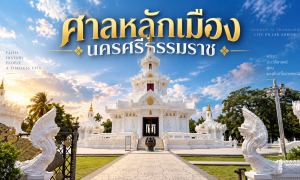
เรื่องราวของจตุคามรามเทพในยุคปัจจุบันสัมพันธ์อย่างมากกับการสร้างศาลหลักเมืองนครศรีธรรมราชในช่วงปลายทศวรรษ 2520 ฐานข้อมูลท้องถิ่นภาคใต้ของมหาวิทยาลัยสงขลานครินทร์บันทึกเรื่องเล่าเกี่ยวกับเหตุการณ์ พ.ศ. 2529 เมื่อคณะผู้เกี่ยวข้องกับการสร้างหลักเมืองได้เข้าไปสัมผัสกับพิธีทรงเจ้า ก่อนที่ชื่อ “จตุคามรามเทพ” จะเข้ามามีบทบาทสำคัญ และต่อมานำไปสู่กระบวนการสร้างศาลหลักเมืองนครศรีธรรมราช ในคำบอกเล่าของผู้เกี่ยวข้องบางรายในยุคต่อมา “ตาขุนโหร” ถูกยกให้มีความสัมพันธ์อย่างใกล้ชิดกับพิธีกรรมและความเชื่อรอบศาลหลักเมือง ถึงขั้นมีผู้ศรัทธาเรียกท่านว่า “บรมครูปฐมหลักเมือง” อย่างไรก็ตาม คำอธิบายนี้มาจากสายคำบอกเล่าและผู้ศรัทธา จึงควรแยกออกจากหลักฐานทางประวัติศาสตร์โดยตรง กระนั้น สิ่งที่ปฏิเสธไม่ได้ก็คือ ศาลหลักเมืองนครศรีธรรมราชได้กลายเป็นพื้นที่ที่ทำให้เรื่องราวของเทพ ผู้พิทักษ์เมือง ราชครู โหราจารย์ และตำนานศรีวิชัย กลับมาเชื่อมโยงกับโลกปัจจุบันอีกครั้ง
เมื่อ “ตาขุนโหร” ไม่ได้หมายถึงผู้ทำนายอนาคตเท่านั้น
จุดที่น่าสนใจที่สุดของตาขุนโหรอาจไม่ใช่เรื่องอภินิหาร แต่คือ ความหมายของการเป็น “ผู้รู้” ผู้คนในอดีตต้องเผชิญกับโลกที่เต็มไปด้วยสิ่งไม่แน่นอน
สงคราม
โรคระบาด
พายุ
การเดินเรือ
การเพาะปลูก
ความขัดแย้งของบ้านเมือง
ในโลกที่ยังไม่มีดาวเทียม ไม่มีพยากรณ์อากาศ ไม่มีแบบจำลองเศรษฐกิจ และไม่มีข้อมูลจำนวนมหาศาลดังเช่นปัจจุบัน มนุษย์พยายามสร้างระบบเพื่อทำความเข้าใจสิ่งที่ไม่แน่นอน การสังเกตดวงดาว ปฏิทิน ฤดูกาล และฤกษ์ยามจึงมิใช่เรื่องไร้สาระสำหรับคนในอดีต แต่มันคือหนึ่งในวิธีที่มนุษย์ใช้สร้าง “ระเบียบ” ให้กับโลกที่เต็มไปด้วยความไม่แน่นอน ตาขุนโหรจึงเป็นตัวแทนของความคิดสำคัญประการหนึ่ง— ก่อนจะลงมือทำสิ่งใหญ่ จงเข้าใจเวลา เข้าใจสถานการณ์ และเข้าใจผลที่จะตามมา ในความหมายนี้ “โหร” ไม่จำเป็นต้องเป็นเพียงผู้ทำนายโชคชะตา แต่คือผู้ที่อ่านสัญญาณ วิเคราะห์สิ่งแวดล้อม และช่วยผู้นำตัดสินใจ
เหตุใดผู้ศรัทธาจึงมองตาขุนโหรว่าเป็น “บรมครู”
คำว่า “ครู” มีความหมายมากในวัฒนธรรมไทย ครูมิใช่เพียงผู้ถ่ายทอดความรู้ แต่เป็นผู้เปิดประตูเข้าสู่ศาสตร์ ดังนั้น เมื่อสายความเชื่อยกย่องตาขุนโหรเป็นราชครูของจตุคามรามเทพ ความหมายที่ตามมาจึงใหญ่กว่าการเป็นที่ปรึกษาธรรมดา ท่านกลายเป็นสัญลักษณ์ของ
วิชา
สติปัญญา
ฤกษ์ยาม
การมองการณ์ไกล
และการตัดสินใจอย่างถูกจังหวะ
ด้วยเหตุนี้ วัตถุมงคลหรือพิธีกรรมที่เกี่ยวข้องกับตาขุนโหรในยุคหลังจึงมักถูกเชื่อมโยงกับเรื่องปัญญา การแก้ปัญหา โชคลาภ การพลิกสถานการณ์ และการดำเนินชีวิตให้ถูกจังหวะ งานศึกษาว่าด้วยการตั้งชื่อรุ่นจตุคามรามเทพยังพบชื่อ “ตาขุนโหรกู้วิกฤต” ซึ่งสะท้อนให้เห็นว่าภาพของตาขุนโหรถูกนำมาเชื่อมโยงกับความหวังในการผ่านพ้นภาวะยากลำบากในวัฒนธรรมวัตถุมงคลร่วมสมัย
ระหว่าง “ตำนาน” กับ “ประวัติศาสตร์”
เมื่อศึกษาเรื่องตาขุนโหร มีสิ่งหนึ่งที่ต้องระมัดระวังอย่างมาก นั่นคือการนำเรื่องเล่าจากสายศรัทธาไปเท่ากับข้อเท็จจริงทางประวัติศาสตร์ ปัจจุบันยังไม่มีหลักฐานร่วมสมัยเพียงพอที่จะสร้างชีวประวัติของ “ตาขุนโหร” ในลักษณะเดียวกับบุคคลทางประวัติศาสตร์ทั่วไป ว่าท่านเกิดเมื่อใด ดำรงตำแหน่งใดภายใต้กษัตริย์องค์ใด หรือมีชีวิตอยู่ในคริสต์ศตวรรษใดอย่างแน่นอน แม้แต่เรื่องของจตุคามรามเทพเองก็มีหลายตำนานและหลายคำอธิบาย ทั้งในฐานะเทพผู้รักษาพระบรมธาตุ เทพประจำเมือง อดีตกษัตริย์ หรือพระโพธิสัตว์ตามแนวความเชื่อบางสาย
ดังนั้น วิธีที่เหมาะสมที่สุดในการอ่านเรื่องของตาขุนโหร คือไม่จำเป็นต้องเลือกว่า
“ทั้งหมดเป็นเรื่องจริง”
หรือ
“ทั้งหมดเป็นเรื่องแต่ง”
แต่ควรถามว่า “เหตุใดเรื่องนี้จึงถูกเล่าต่อกันมา และเหตุใดผู้คนจึงต้องการรักษาเรื่องราวของบุคคลเช่นตาขุนโหรไว้” คำตอบอาจอยู่ที่ว่า ทุกสังคมต้องการสัญลักษณ์ของ “ผู้มีปัญญา”
ผู้ที่สามารถเตือนผู้นำก่อนเกิดภัย
ผู้ที่มองเห็นสิ่งซึ่งคนทั่วไปมองไม่เห็น
ผู้ที่รู้ว่าเวลาใดควรก้าวไปข้างหน้า
และเวลาใดควรรอ
ผู้ยืนอยู่เบื้องหลังองค์ราชัน
ในเรื่องเล่าของวีรบุรุษ เรามักจดจำผู้ถือดาบ แต่ไม่ค่อยจดจำผู้บอกว่า ควรชักดาบเมื่อใด เราจดจำกษัตริย์ผู้สร้างเมือง แต่บางครั้งลืมผู้คำนวณฤกษ์ตั้งเมือง เราจดจำแม่ทัพผู้ชนะสงคราม แต่ไม่ค่อยกล่าวถึงผู้วางแผนก่อนกองทัพเคลื่อนพล ตาขุนโหรจึงเป็นตัวละครที่น่าสนใจอย่างยิ่งในจักรวาลความเชื่อของจตุคามรามเทพ เพราะท่านไม่ได้เป็นตัวแทนของกำลัง แต่เป็นตัวแทนของ ปัญญาที่กำกับกำลัง ไม่ได้เป็นตัวแทนของอำนาจ แต่เป็นตัวแทนของ ความรู้ที่ทำให้อำนาจไม่หลงทิศ
ตาขุนโหร : ตำนานที่ยังมีชีวิต
หลายร้อยหรือหลายพันปีอาจผ่านพ้นไปจากยุคที่เรื่องเล่าเหล่านี้กล่าวอ้างถึง แต่ชื่อ “ตาขุนโหร” ยังคงปรากฏอยู่
ในวัตถุมงคล
ในพิธีกรรม
ในคำบอกเล่าของผู้ศรัทธา
ในเรื่องราวของศาลหลักเมืองนครศรีธรรมราช
และในโลกความเชื่อที่โอบล้อมองค์จตุคามรามเทพ
นี่อาจเป็นเหตุผลว่าทำไมตาขุนโหรจึงไม่ควรถูกมองเพียงว่าเป็น “เทพอีกองค์หนึ่ง” เพราะในระดับที่ลึกกว่า ท่านคือสัญลักษณ์ของความเชื่อว่า
ก่อนจะเปลี่ยนชะตา ต้องเข้าใจชะตา
ก่อนจะสร้างสิ่งใหญ่ ต้องรู้จังหวะของเวลา
และก่อนจะใช้อำนาจ ต้องมีปัญญากำกับอำนาจนั้นเสมอ
หากองค์จตุคามรามเทพคือราชันผู้ยิ่งใหญ่ในตำนานแห่งนครศรีธรรมราช ตาขุนโหรก็คือ
“บรมครูผู้เฝ้ามองดวงดาว และชี้เส้นทางให้องค์ราชันเดินไปในจังหวะแห่งฟ้า”
และบางที นี่อาจเป็นเหตุผลที่ชื่อของท่านยังไม่หายไปตามกาลเวลา.
Ta Khun Hora
The Master Astrologer Behind the Legend of Jatukam Ramathep
When the name Chatukarm Ramathep is mentioned, many people immediately think of the sacred guardian associated with Nakhon Si Thammarat, the city pillar shrine, Wat Phra Mahathat, and the wave of sacred amulets that once spread throughout Thailand. Yet behind the complex body of legends surrounding Jatukam Ramathep lies another name—one that is less widely known, but deeply significant within certain traditions of belief. That name is Ta Khun Hora.
In the lore surrounding Chatukarm Ramathep, Ta Khun Hora is described as an astrologer, military figure, royal adviser, ritual specialist, and master of auspicious timing. If Chatukram Ramathep is imagined as the sovereign figure of the legend, then Ta Khun Hora may be seen as the man who read the stars behind the throne—a figure who did not necessarily stand at the center of power, but who helped guide it through knowledge of time, celestial movements, ritual, and strategic judgment. His story therefore exists at the intersection of legend, local belief, astrology, political imagination, and the historical worldview of ancient Southeast Asia.
The Name “Ta Khun Hora”
The title itself offers an important clue. In traditional Thai usage, the word hora refers to an astrologer or one versed in the calculation of celestial movements, calendars, auspicious times, and ritual timing. In the pre-modern world, an astrologer was not merely someone who predicted individual fortune. Court astrologers could play an important role in matters of state. They might calculate an auspicious date for founding a city, beginning a military campaign, laying a foundation stone, conducting royal ceremonies, or undertaking a major political decision. Within traditions connected to Jatukam Ramathep, Ta Khun Hora is described as a figure with knowledge of astrology, divination, ritual procedures, auspicious timing, and construction principles. Some accounts also identify him with the title Phaya Hora Thep, portraying him as a teacher or royal preceptor who advised Jatukam Ramathep. At the same time, these descriptions should be understood primarily as part of religious tradition and oral belief, rather than as a fully documented historical biography. There is currently insufficient historical evidence to establish exactly when Ta Khun Hora lived, what formal office he held, or whether he can be identified with a specific historical individual. That uncertainty, however, is also part of what makes his story fascinating.
From Warrior to Royal Teacher
Some traditions portray Ta Khun Hora not only as an astrologer, but also as one of the important military companions associated with Chatukarm Ramathep. Certain narratives describe him as one of a group of loyal warriors who participated in struggles for control over the ancient polity of Tambralinga, traditionally associated with the Nakhon Si Thammarat region. Yet his symbolic role is different from that of an ordinary warrior. Ta Khun Hora is often portrayed as a warrior of knowledge.
He represents the person who knows when to advance, when to wait, when to perform a ritual, and when celestial and terrestrial conditions are considered favorable. A general commands soldiers. An astrologer commands something far less tangible—time. And in the worldview of ancient societies, time was never neutral. The right moment could bring success. The wrong moment could bring disaster.
Astrology and the Founding of Cities
To understand Ta Khun Hora, one must first understand the way pre-modern societies viewed the relationship between humans, cities, and the cosmos. In much of ancient Southeast Asia, politics, religion, and cosmology were deeply intertwined. A city was not merely a collection of walls, roads, and buildings. It could be understood as a reflection of cosmic order. Its center, directions, temples, shrines, and ceremonial spaces could carry symbolic meaning. The stars, seasons, sacred geography, and ritual calendar were all thought to influence human affairs. For this reason, a court astrologer could hold considerable importance. Such a figure might advise when a city should be founded, when a ruler should conduct a royal ceremony, and when an army should move. From this perspective, the tradition that describes Ta Khun Hora as knowledgeable in auspicious timing, rituals, and construction fits naturally within the broader cultural worldview of the region.
Ta Khun Hora and Chatukarm Ramathep
The relationship between Ta Khun Hora and Jatukam Ramathep is central to the legend. Chatukarm Ramathep himself appears in several different traditions. Some identify him with a guardian deity of Nakhon Si Thammarat. Others connect him with a former ruler, a royal protector, a Bodhisattva figure, or a sacred being linked to the protection of the city and Wat Phra Mahathat. Within these overlapping traditions, Ta Khun Hora occupies a distinctive position. He is not merely described as a servant. In some versions, he is treated as a royal teacher, adviser, or spiritual instructor. This gives the relationship between the two a deeper symbolic meaning. It becomes the relationship between:
King and Teacher
Power and Wisdom
Action and Foresight
If Jatukam Ramathep represents authority, Ta Khun Hora represents the knowledge that guides that authority.
The Nakhon Si Thammarat City Pillar Shrine
The modern revival of Jatukam Ramathep belief is closely connected with the construction of the Nakhon Si Thammarat City Pillar Shrine during the late twentieth century. Stories surrounding the creation of the shrine include accounts of spirit mediums, ritual revelations, sacred instructions, and the emergence of Jatukam Ramathep as an important protective figure. Within later traditions associated with the shrine, Ta Khun Hora also became closely connected with ceremonial knowledge and the spiritual meaning of the city pillar. Some devotees have even referred to him as a primordial teacher of the city pillar tradition. Such titles belong primarily to the religious and devotional sphere. They should therefore be distinguished from conclusions based on conventional historical documentation. Nevertheless, they reveal something important: Ta Khun Hora had become more than a figure from an old story. He had become a symbol of ritual knowledge, protection, timing, and sacred order.
More Than a Fortune-Teller
The most interesting aspect of Ta Khun Hora may not be supernatural prediction at all. It may instead be the idea of knowledge itself. Ancient people lived in a world filled with uncertainty:
war,
disease,
storms,
sea voyages,
agriculture,
political conflict,
and the dangers of long-distance travel.
Without satellites, weather forecasting, economic models, or modern data systems, people developed other ways of interpreting uncertainty.
They observed the sky.
They followed calendars.
They studied seasons.
They recorded celestial movements.
They created systems of divination and auspicious timing.
From this perspective, astrology was not merely a form of superstition.
For many societies, it was part of a broader attempt to impose order on uncertainty.
Ta Khun Hora therefore represents an enduring idea:
Before taking a great action, understand the time, the conditions, and the consequences.
In this sense, the astrologer is not simply someone who predicts the future. He is someone who reads signs, studies circumstances, and advises those who must make difficult decisions.
Why Is Ta Khun Hora Remembered as a Great Teacher?
The concept of the teacher carries tremendous importance in Thai culture. A teacher is not merely someone who passes on information. A true master opens the door to a body of knowledge. Therefore, when Ta Khun Hora is described as a royal teacher of Jatukam Ramathep, his symbolic meaning becomes much larger. He comes to represent:
Wisdom
Astrology
Auspicious timing
Foresight
Strategic judgment
and the disciplined use of knowledge
This is also why modern sacred objects associated with Ta Khun Hora are often linked, in devotional interpretation, with intelligence, problem-solving, fortune, favorable timing, and the ability to overcome difficult situations. Whether one accepts these beliefs literally or symbolically, the underlying message remains powerful: knowledge must come before action.
Between Legend and History
Any documentary discussion of Ta Khun Hora must make one distinction very clear. The traditions surrounding him should not automatically be treated as established historical fact. There is currently not enough contemporaneous evidence to reconstruct a complete historical biography of Ta Khun Hora in the same way that historians might reconstruct the life of a documented king, minister, or monk. We cannot state with certainty when he was born, which ruler he served, or precisely which century he lived in. Even the identity of Jatukam Ramathep has been interpreted in many different ways. Some traditions regard him as a guardian deity. Others connect him to kingship, local political history, Buddhist cosmology, or Bodhisattva belief. The wisest way to approach Ta Khun Hora, therefore, is not to ask only:
“Was every detail of this story historically true?”
A more interesting question may be:
Why was this story remembered at all?
Why did people preserve the image of a wise astrologer who stood beside a sacred ruler?
Perhaps because every society needs a symbol of the person who sees beyond the immediate moment.
The one who warns before disaster.
The one who calculates before action.
The one who understands timing.
The Man Behind the King
In heroic stories, people usually remember the one holding the sword. They rarely remember the person who said when the sword should be drawn.
We remember the ruler who founded the city.
We may forget the astrologer who calculated the auspicious moment.
We remember the general who won the battle.
We seldom remember the adviser who studied the conditions before the army moved.
This is what makes Ta Khun Hora such a compelling figure in the world of Jatukam Ramathep.
He does not primarily represent physical strength.
He represents the wisdom that directs strength.
He does not represent power itself.
He represents the knowledge that keeps power from losing its way.
Ta Khun Hora: A Legend That Still Lives
Centuries may separate the present from the ancient world described in these traditions. Yet the name Ta Khun Hora continues to survive. It appears in sacred objects. In ritual traditions. In stories told by devotees. In the mythology surrounding Nakhon Si Thammarat. And within the larger spiritual universe of Chatukarm Ramathep. For this reason, Ta Khun Hora should perhaps not be seen merely as another sacred figure. At a deeper level, he represents a timeless principle:
Before changing destiny, understand destiny.
Before building something great, understand timing.
And before using power, let wisdom guide it.
If Jatukam Ramathep is the great sovereign of the legend of Nakhon Si Thammarat,
then Ta Khun Hora is—
“The Great Master Who Read the Stars and Guided the King along the rhythm of heaven.”